Citrine
The merchant's stone
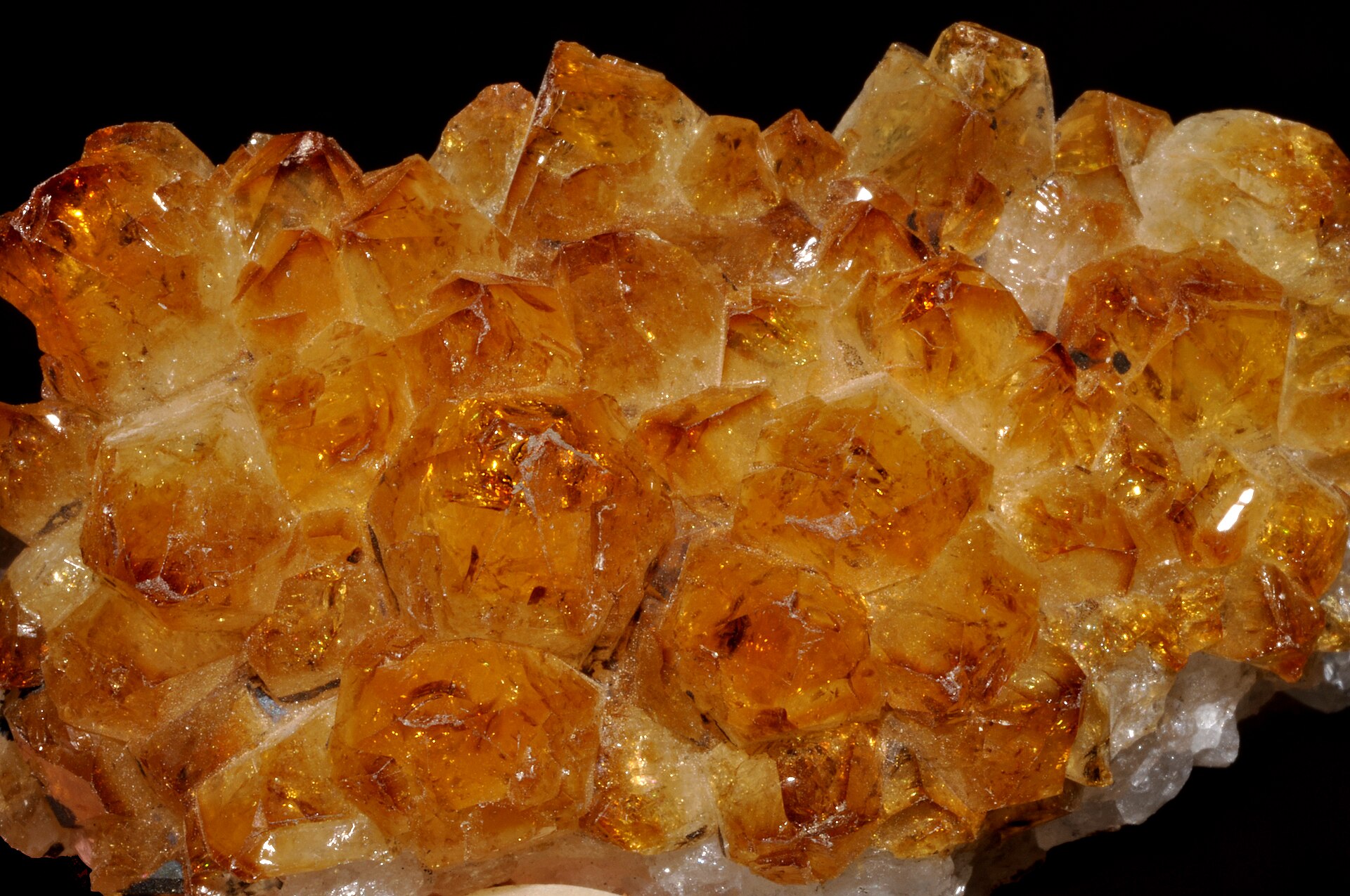
Warm honey-gold citrine. Traditionally kept in the cash drawer — and worn on the wrist.
Solar Plexus
See it
Two things are true at once: these stones carry centuries of meaning, and none of that meaning is medicine. Both halves are on this page.
The merchant's stone
Warm honey-gold citrine. Traditionally kept in the cash drawer — and worn on the wrist.
Fool's gold, wise wearer
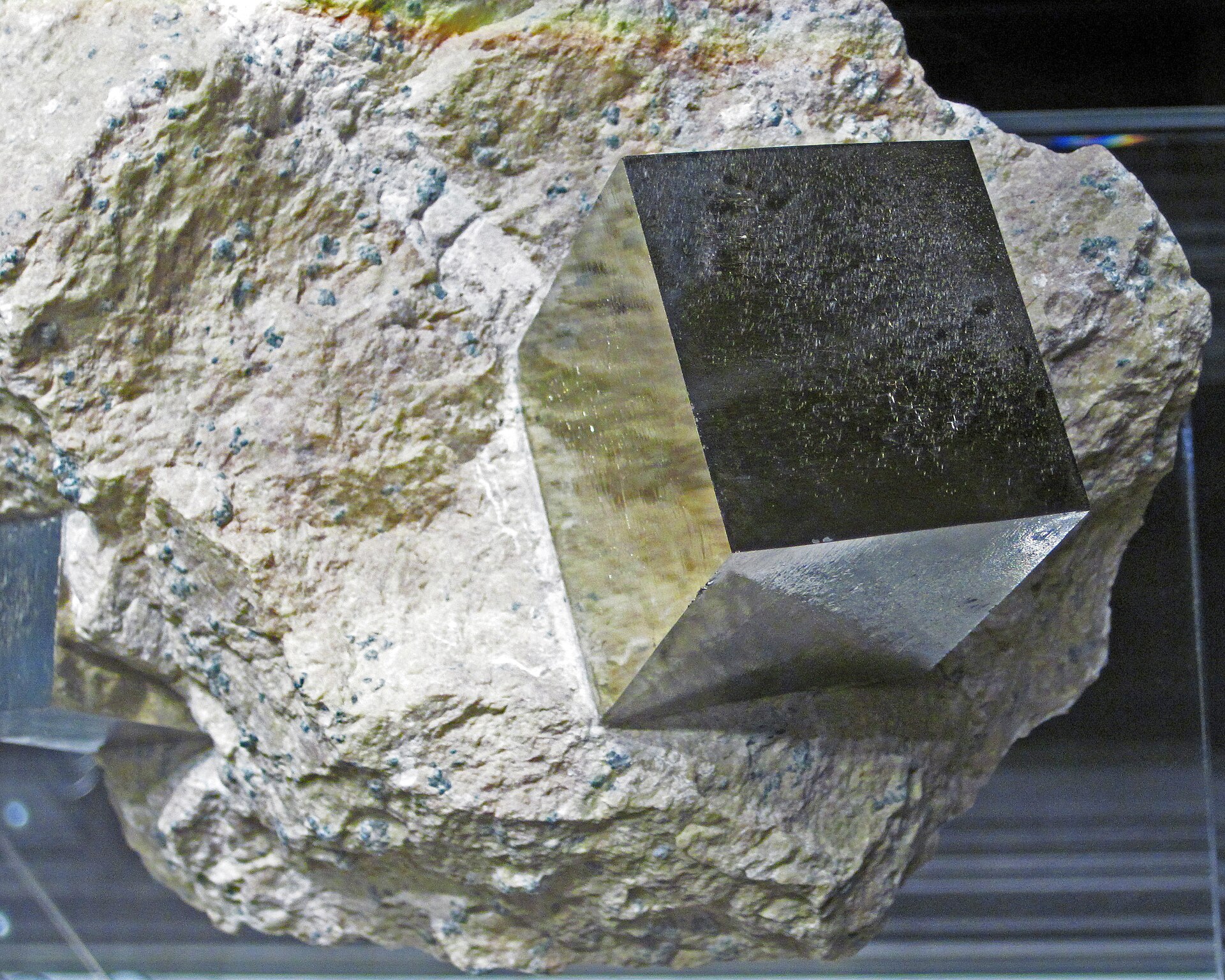
Metallic brass-gold pyrite with real heft. Cubic crystals grown by geology, not a lapidary.
For a quieter mind
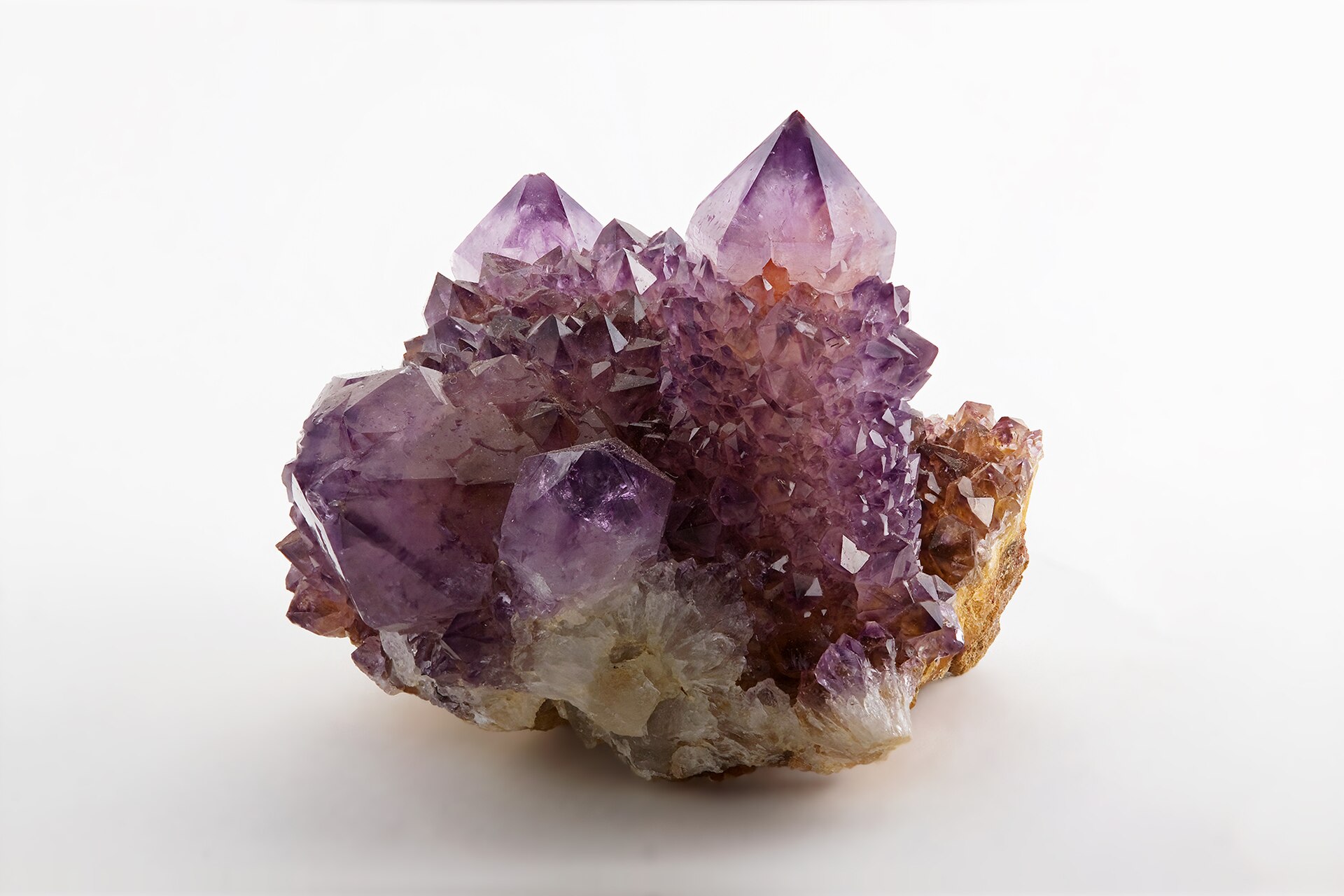
Deep violet amethyst, hand-strung on 8mm rounds. The classic stone for stillness and clear thinking.
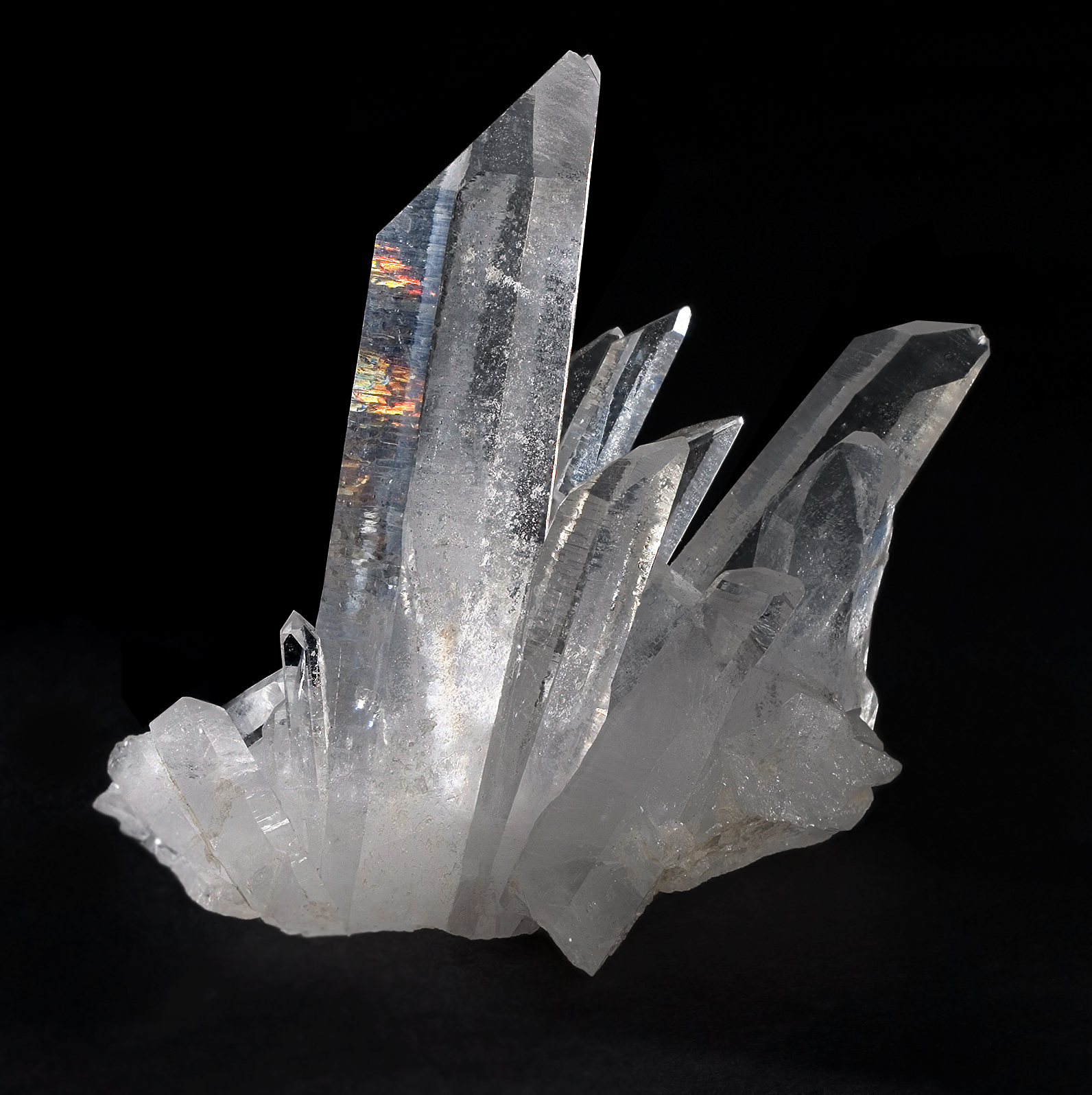
The amplifier
Ice-clear natural quartz. Called the master healer — the one that sharpens the rest.
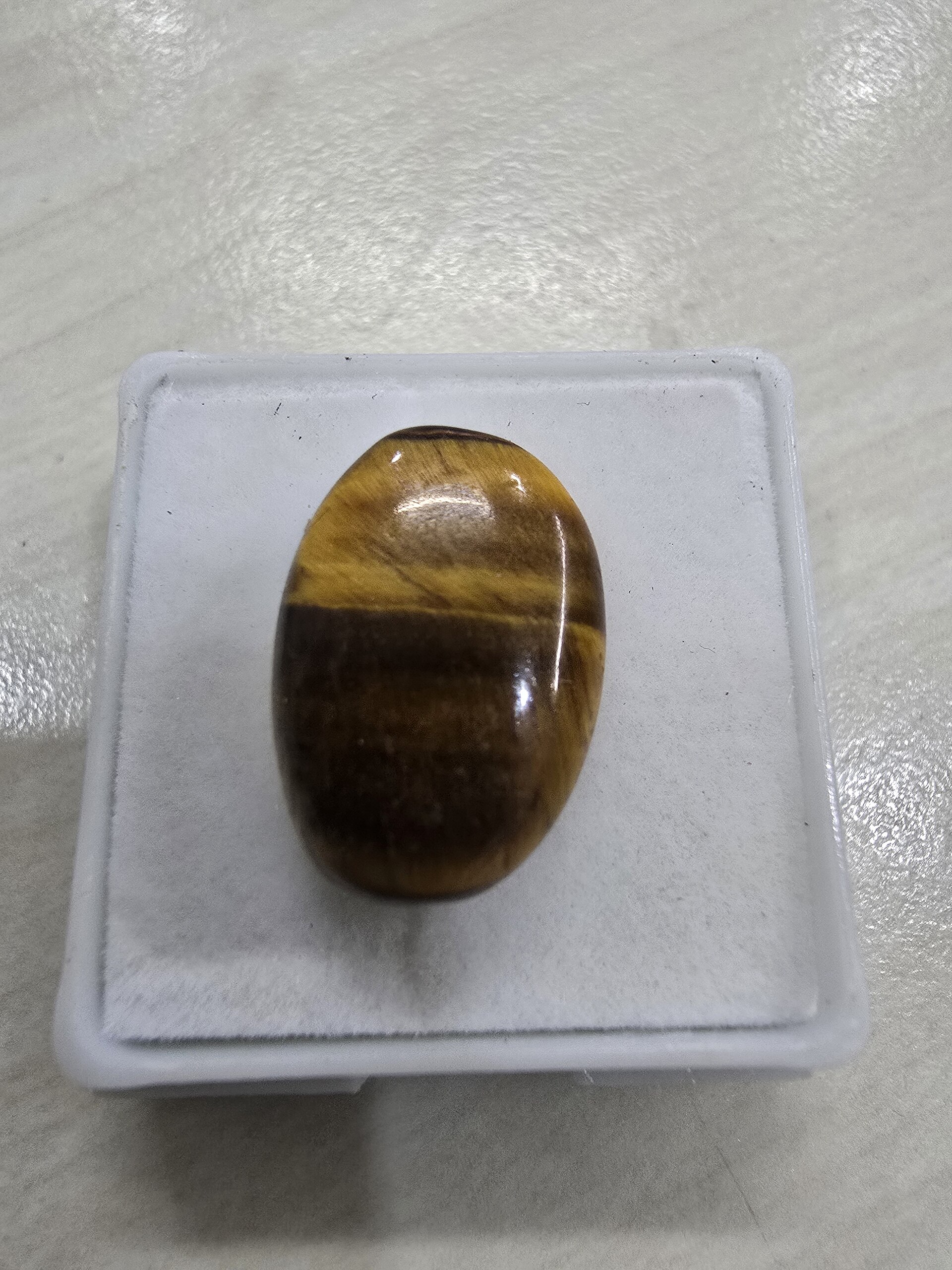
For walking in anyway
Golden chatoyant bands that shift as you move. The stone of nerve.
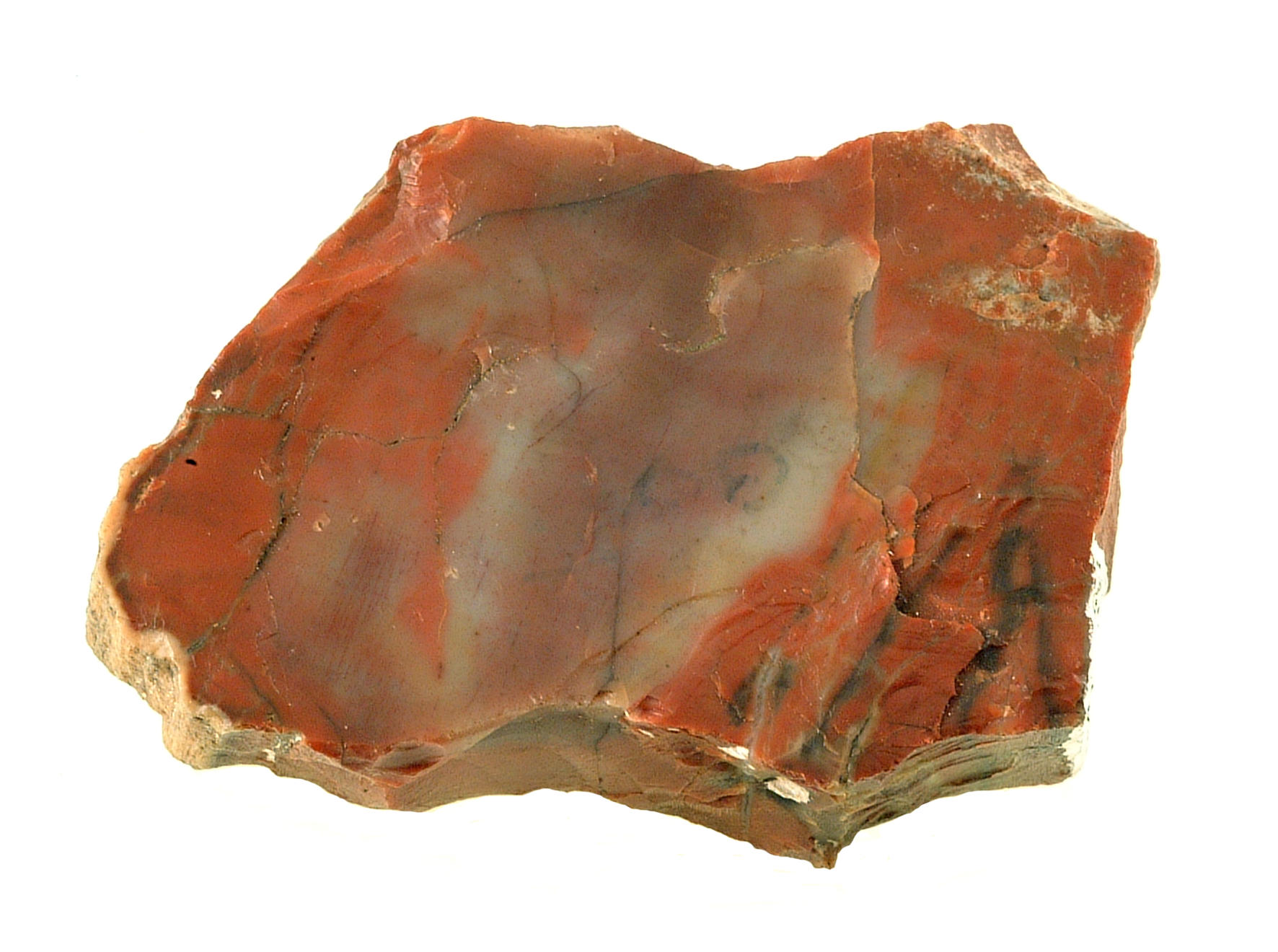
For starting the thing
Burnt-orange chalcedony with a warm glow. The stone of momentum.
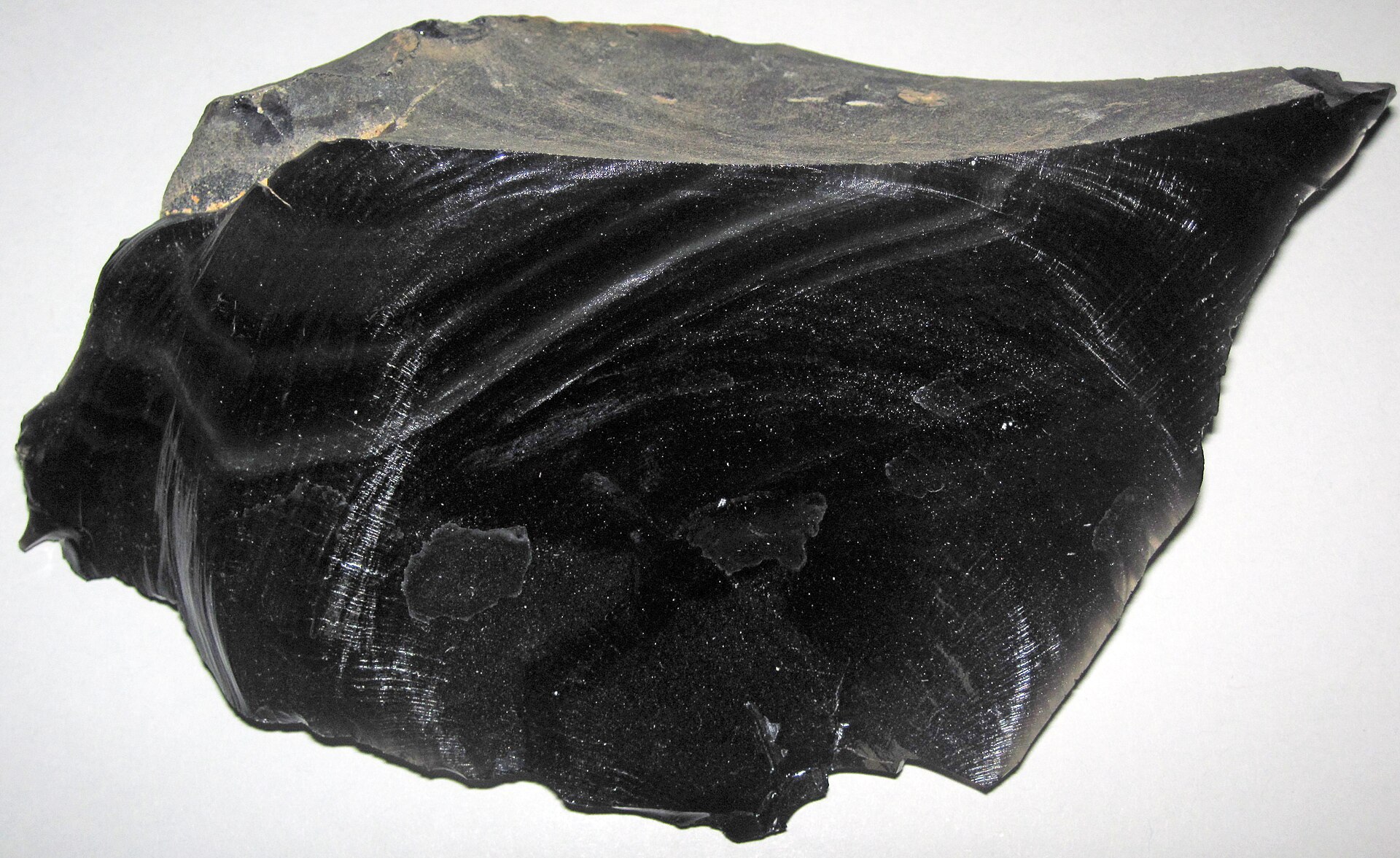
For coming back down
Volcanic glass, polished to a mirror. Cooled lava — literally.
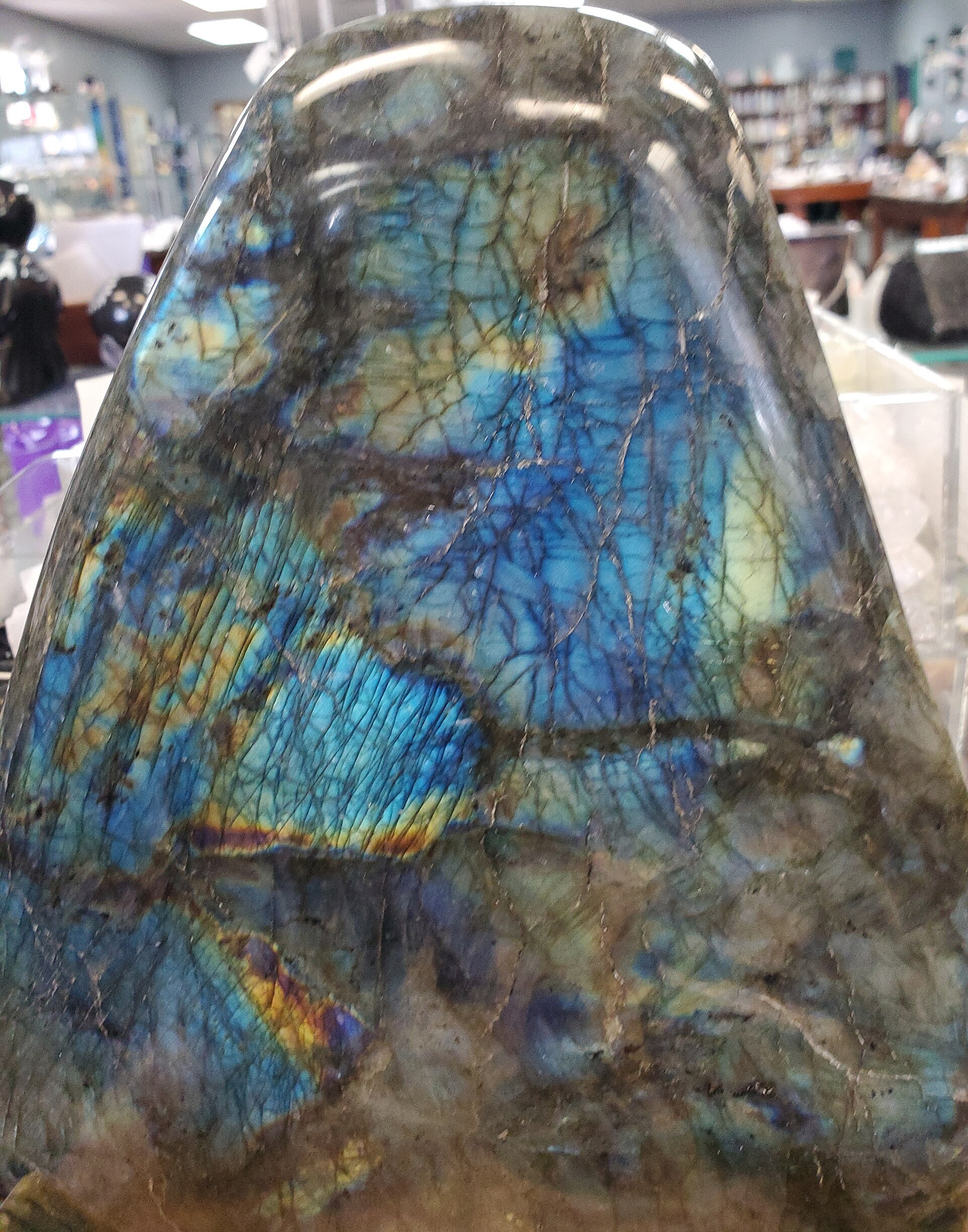
For trusting the hunch
Grey stone that flashes electric blue as it turns. The most alive stone we carry.
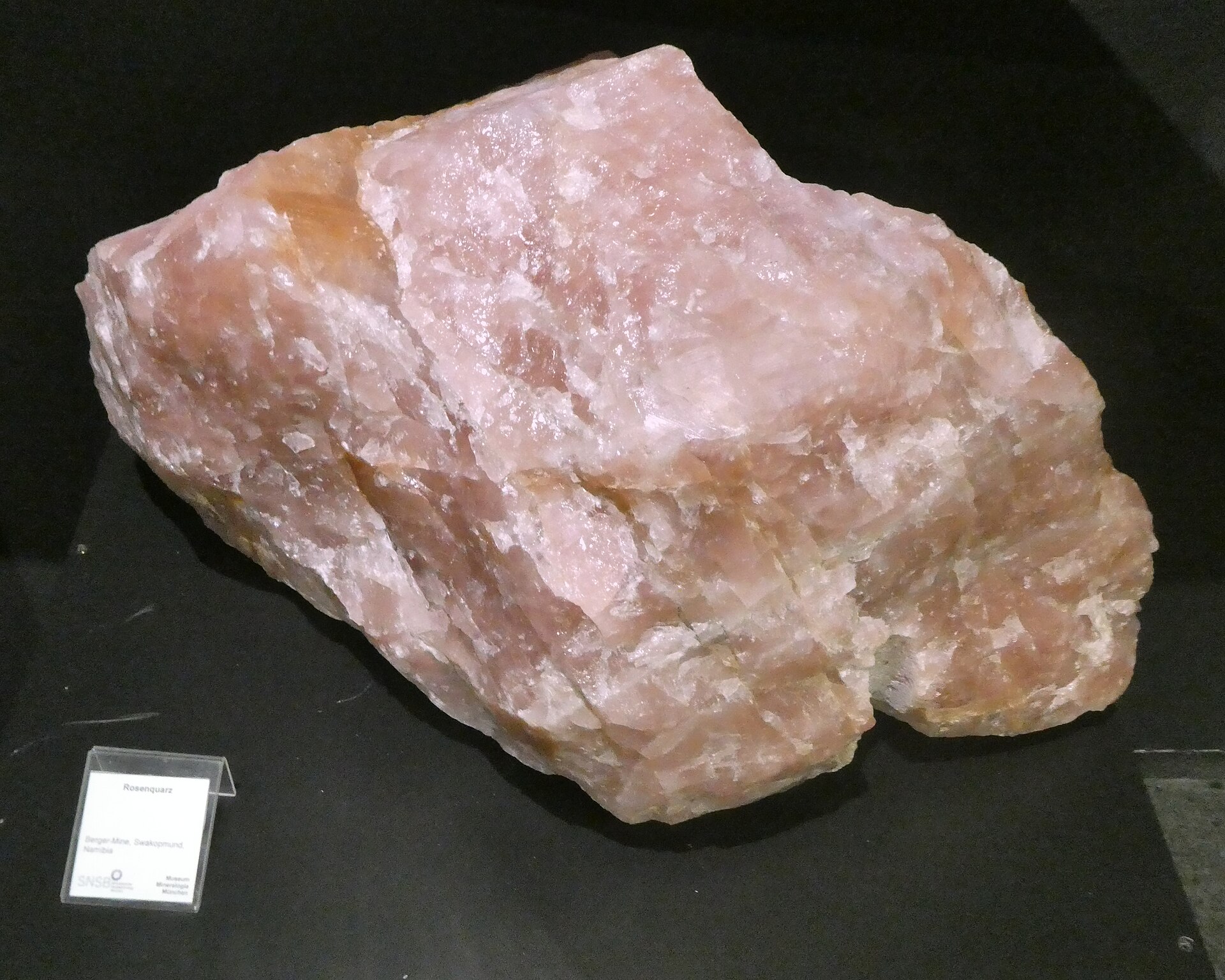
For love, starting with your own
Soft blush quartz with the milky glow the good material is known for. The heart stone.
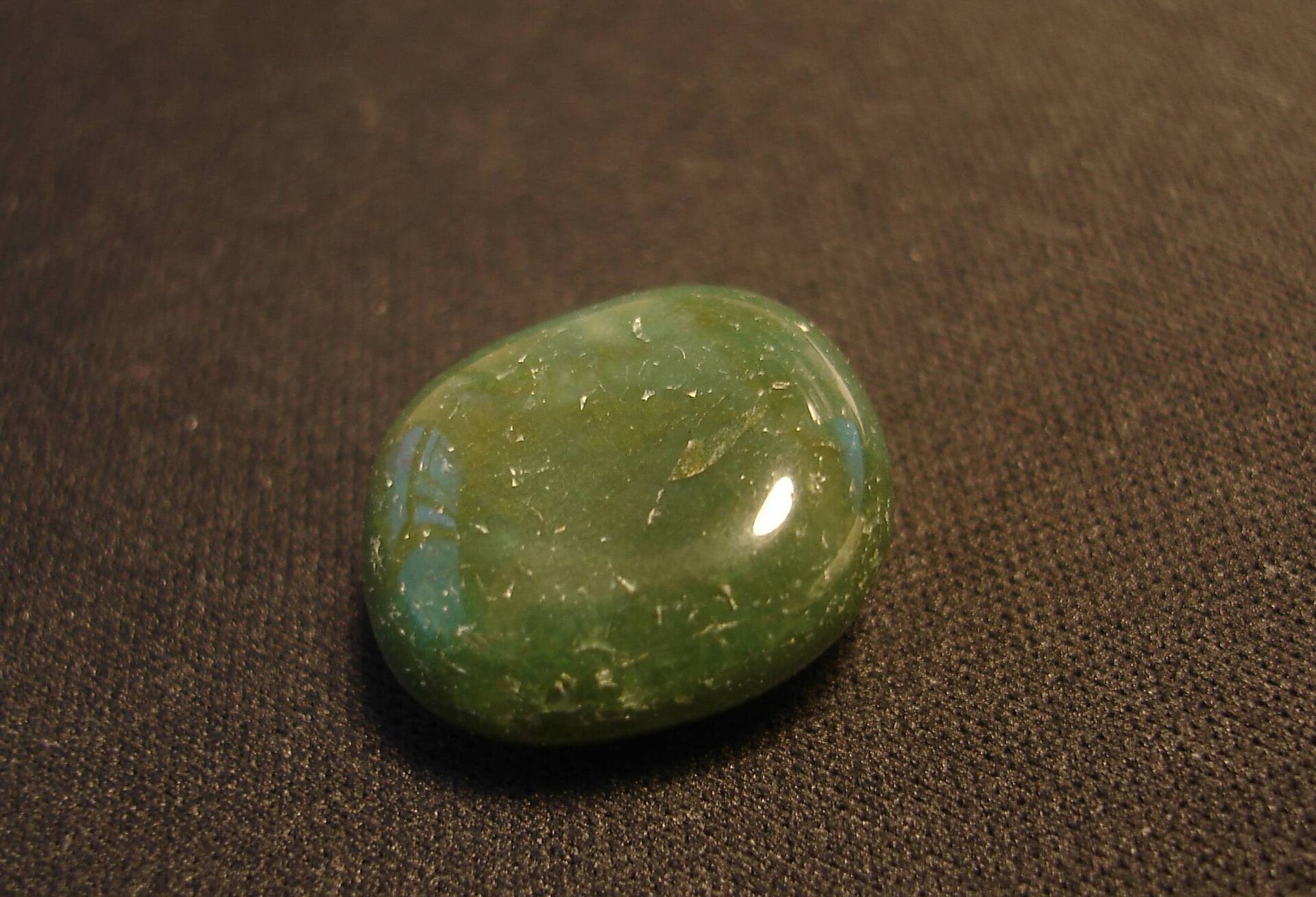
For the next opportunity
Soft green aventurine with a faint mica shimmer. The opportunity stone.
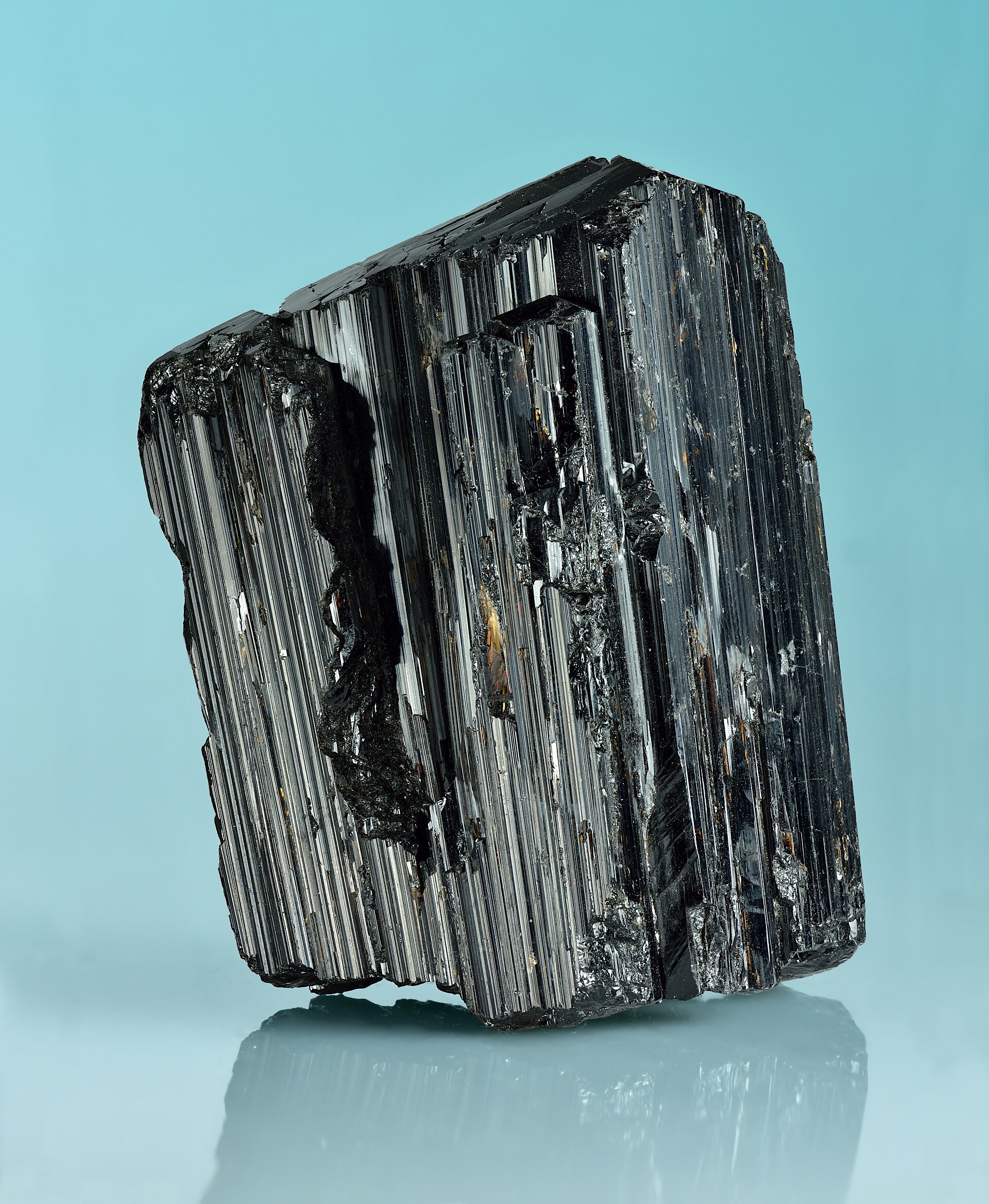
For holding your edges
Dense, striated black tourmaline (schorl). The traditional boundary stone.
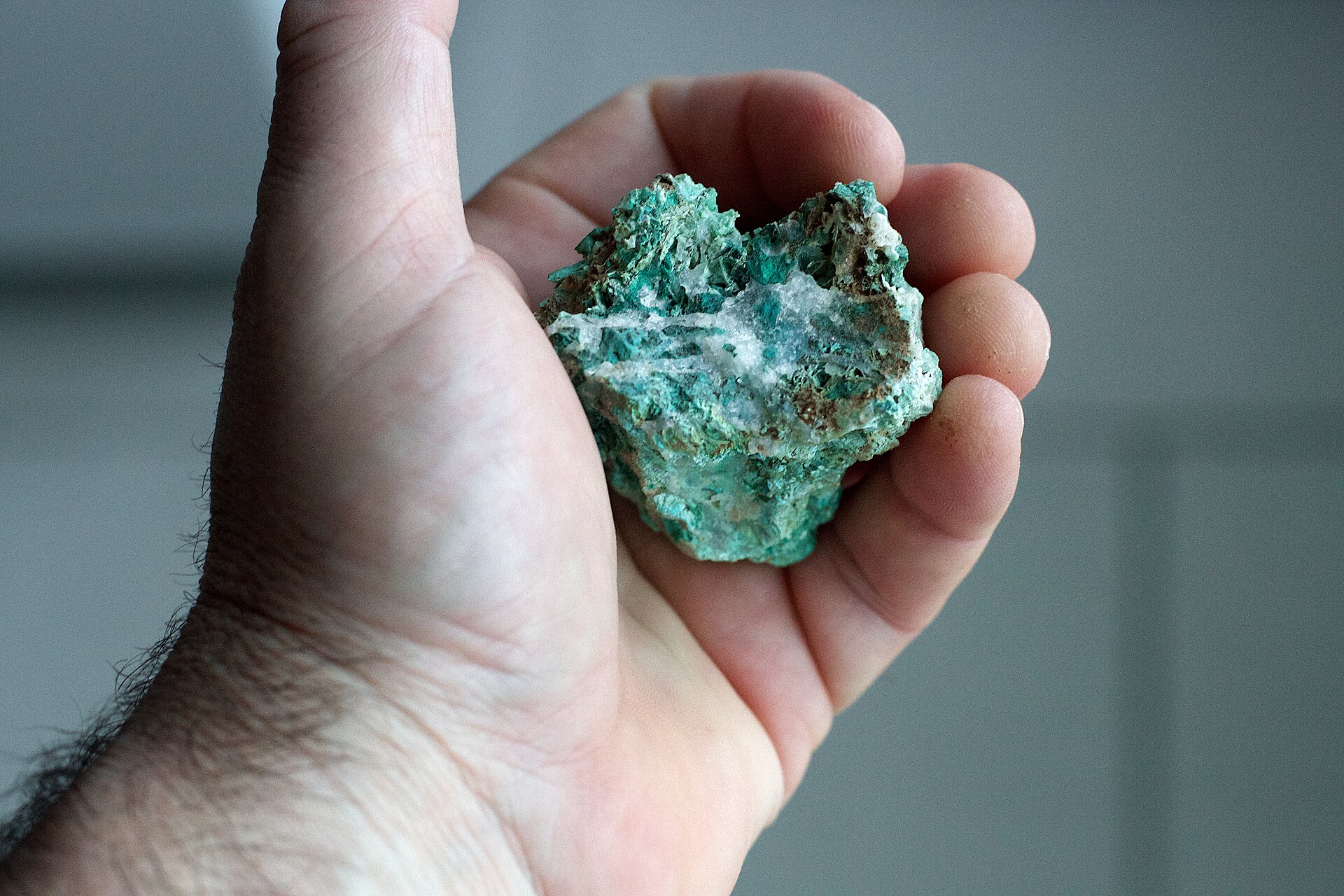
For the change you already decided on
Banded green malachite — every bead a different set of rings.
There is no clinical evidence that crystals treat anything, and the studies that have looked found the effect was the same whether the stone was real quartz or a plastic fake. We are not going to tell you otherwise in order to move stock.
What people do report — and what we think is genuinely worth something — is the value of a physical object tied to an intention you have set. A bracelet you chose deliberately is a reminder on your wrist. That is not nothing, and it is not medicine.
Real stone is cold to the touch and warms slowly; glass warms instantly. Natural material is rarely perfectly uniform — if every bead is an identical flawless colour, be suspicious. Dyed stone often shows concentrated colour in the drill hole and cracks.
Beware the too-cheap. Natural undyed stone has a floor price. A S$8 "amethyst" bracelet is dyed quartz, and everyone in the trade knows it.
The common tradition holds the left wrist as receiving and the right as giving — so stones for calm or love go left, stones for projecting confidence go right. It is folklore, not physics. Wear it where you like it.
Practically, this means keeping your jewellery clean. Moonlight is safe for everything. Sunlight fades amethyst, rose quartz and citrine. Water damages lapis, malachite, pyrite and anything porous — for those, a dry cloth only.